
How to Choose the Right Mattress Size: 2026 Guide
Last Updated: October 24, 2026
Quick Summary
To choose the right mattress size, measure your room and bed frame first, then match the standard size chart to your tallest sleeper and how much each person moves. A mattress should be at least 6 inches longer than the tallest sleeper, and each person needs about 24 inches of width minimum, 30 inches to be comfortable.
- Standard sizes run from twin (38 x 75) to California king (72 x 84), measured in inches.
- Leave at least 24 inches of walkway on the sides you use most and 30 inches at the foot.
- Queen dimensions are 60 wide by 80 long, making it the most popular size for couples.
- A king gives each sleeper about 38 inches of width versus roughly 30 on a queen.
- A frame built for a queen has an inside opening close to 60 by 80 inches.
Table of Contents
- Start With the Mattress Size Chart and Your Room
- Queen Mattress Dimensions in Inches: The Most Common Choice
- Mattress Size for Couples and Shared Beds
- How to Measure a Mattress and Your Bed Frame
- Build a Decision Tree for Your Sleep Style and Space
- Check Bedding, Foundation, and Accessory Compatibility
- Weigh Budget, Delivery, and Moving Trade-Offs
- Conclusion
- Frequently Asked Questions
Start With the Mattress Size Chart and Your Room
Getting the mattress size right starts with two numbers: the standard size chart and your actual room measurements. Mattress size is the one decision you cannot undo after delivery day.
Here is the short version. A mattress size is the width and length of the sleep surface, measured edge to edge in inches. Standard sizes run from twin to California king, and each one fits a different sleeper and room.
Most buyers start with the bed they like, then measure the room. Do it the other way around. A king bed in a small apartment leaves no walkway, and a full bed in a large primary suite feels cramped for two adults.
Below, we show you exactly how to match a mattress size to your room, your sleepers, and your frame before you spend a dollar.
Standard Mattress Sizes and Dimensions
The standard mattress size chart is the fastest way to compare options. Every size below is a common US mattress dimension, measured in inches.
| Mattress Size | Width x Length (inches) | Best For |
|---|---|---|
| Twin | 38 x 75 | Kids, guest rooms, bunk beds |
| Twin XL | 38 x 80 | Teens, dorm rooms, tall single sleepers |
| Full (Double) | 54 x 75 | Single adults, small guest rooms |
| Queen | 60 x 80 | Couples, most primary bedrooms |
| King | 76 x 80 | Couples who want space, large rooms |
| California King | 72 x 84 | Tall sleepers, long rooms |
A few things stand out once you see it in a table. Twin XL adds five inches of length over a twin, which matters for anyone over about 5 feet 10 inches.
That last trade-off trips people up. A California king is narrower than a king, so couples who move around at night often prefer the extra width of a standard king.
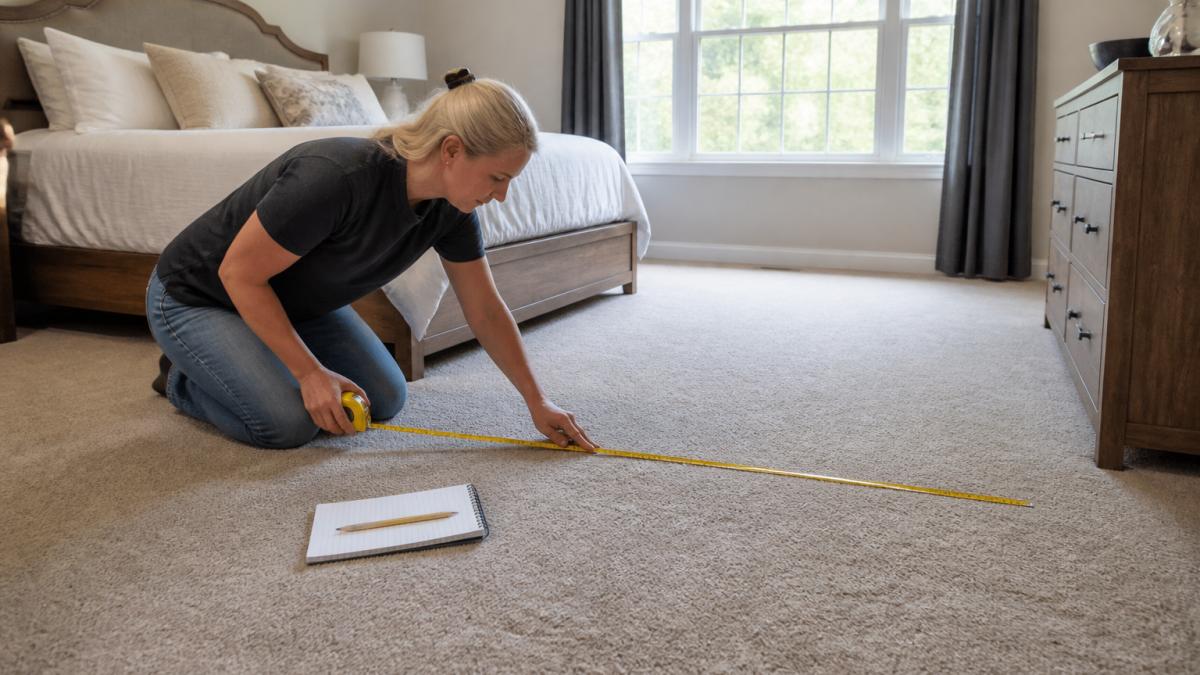
How to Measure Your Room for a Bed
Measure the room before you shop, and measure the floor space, not the wall. Grab a tape measure and note three things:
- Wall length and width of the room where the bed will sit
- Door swing and closet clearance, so nothing blocks a walkway
- Furniture footprints, including nightstands and dressers
A simple rule: leave at least 24 inches of walkway on the sides you use most. For the foot of the bed, aim for 30 inches or more. These are guidelines, not laws, but they keep a big bed from swallowing a small room.
Write the numbers down. Bring them to the store. A mattress size that looks fine on a showroom floor can feel enormous in a 10-by-10 bedroom.
Queen Mattress Dimensions in Inches: The Most Common Choice
Queen mattress dimensions in inches are 60 wide by 80 long (Queen Size Bed Dimensions). That makes the queen the most popular mattress size for couples and the default pick for most primary bedrooms.
Why does the queen win? It fits two adults without crowding a standard room, and it works with most bed frames and bedding sets. It is also the size where the price-to-space ratio tends to feel fairest.
Here is where buyers get confused. A queen mattress and a “queen bed” are not the same thing. The mattress is 60 by 80 inches.
That gap matters when you measure. If your room fits a queen mattress but not a queen frame, you need a different plan.
Measure your bed frame’s inside opening, not its outside edges. A queen frame built for a 60-by-80 mattress usually has an inside measurement close to that, but headboards and footboards add length you must account for against the wall.
Mattress Size for Couples and Shared Beds
The right mattress size for couples comes down to personal space. Two adults sharing a full-size mattress get about 27 inches of width each. A queen gives each sleeper roughly 30 inches. A king pushes that closer to 38 inches per person.
That difference is why so many couples upgrade from full to queen, then from queen to king. Movement is the deciding factor. If one partner tosses and turns, the extra width of a king reduces the ripple effect on the other side.
Shared beds are not only couples, though. Consider these setups:
- Two kids sharing: a full or queen works better than two twins pushed together
- A parent and a small child: a queen gives room without taking over the room
- Pets on the bed: add width, because a 70-pound dog takes up real estate
- A couple plus a toddler: a king is often the only size that keeps everyone comfortable
Sleep position matters too. Side sleepers sprawl. Back and stomach sleepers stay put. If either partner is a sprawler, size up.
For a closer look at how sleep position changes the choice, see how your sleep position affects your mattress choice.
How to Measure a Mattress and Your Bed Frame
Knowing how to measure a mattress correctly saves you a return. Measure the sleep surface edge to edge: width first, then length. Do not measure the frame, the box spring, or the bedding. Measure the mattress itself.
Then measure the frame separately. Here is the distinction most guides skip:
- Mattress dimensions describe the sleep surface: width and length in inches
- Bed frame dimensions describe the outer footprint, including rails and headboard
- Inside frame measurement tells you what mattress will actually drop in
A frame built for a queen mattress has an inside opening close to 60 by 80 inches. If your inside measurement comes up short, the mattress will not fit, no matter what the label says.
Call Us Today (423) 255-8124 → →
Buying a mattress before measuring the frame is the most common fit mistake we see. If the inside opening is smaller than the mattress, you are stuck with a bed that will not sit flat, and delivery day becomes a return.
Mattress height and depth matter here too. A thick mattress may hide the frame rails or sit above the headboard. Deep-pocket sheets solve the sheet problem, but they do not fix a frame that is too small.
Build a Decision Tree for Your Sleep Style and Space
A size chart tells you what exists. A decision tree tells you what you can actually sleep on.
Branch 1: Length. Start with the tallest sleeper.
Branch 2: Sleeping position and width per person. Width is where position matters most. Side sleepers tend to draw their knees up and extend an arm, so they use more horizontal space than back or stomach sleepers.
Branch 3: Movement. If either sleeper changes position frequently or gets up during the night, add width before you add length.
Branch 4: Room fit. Take the size the first three branches produced and run it through the floor-plan method in the previous section. If the bed leaves less than about 18 inches on a used side, or blocks a door swing, drop one size. A king that fits the sleepers but not the room is the wrong answer.
Branch 5: Budget and accessories. A larger mattress usually costs more, and so do the sheets, foundation, and frame that match it.
Run the tree with real numbers.
For a step-by-step companion to this process, our guide on how to choose the right mattress in 5 simple steps walks through the full selection.
Length is set by the tallest sleeper, width is set by position and movement, and the room has the final veto. Run the branches in that order and the size picks itself.
Check Bedding, Foundation, and Accessory Compatibility
A mattress size only works if everything around it fits. Check these before you buy:
- Sheets: deep-pocket sheets fit thicker mattresses; standard sheets may pop off
- Foundation or box spring: must match the mattress size exactly
- Bed frame: confirm the inside measurement, not the outer edge
- Mattress protector: sized to the mattress, not the frame
- Adjustable base: check the size and weight limits
A king mattress needs king sheets, a king foundation, and a king frame. Mixing sizes is where returns come from. The same goes for accessories: a queen protector on a king mattress will not stay put.
Once you settle on a size, browse our mattresses to see what is available in that size before you commit.
Weigh Budget, Delivery, and Moving Trade-Offs
Bigger mattresses cost more to buy, deliver, and move. That is the trade-off nobody puts on the size chart.
A king or California king is heavy and awkward. It may need two people to carry, a larger delivery window, and a clear path through doorways and stairwells. You can check mattress delivery fees in Chattanooga before you choose a size.
Budget works the same way. The mattress is one cost, but sheets, a foundation, and a frame add up. If you are renting and may move soon, a queen is easier to relocate than a king.
At Mattress Outlet of Chattanooga, we keep brand-new mattresses at prices well below retail, and we offer payment plans and layaway for buyers who want to spread the cost. You can review mattress payment plans before you decide.
Pick the largest mattress your room, frame, and budget can support, then confirm the bedding and foundation fit that size. Size is the one choice you cannot adjust later without a return.
Conclusion
The hardest part of buying a mattress is not the shopping. It is committing to a size before you know it fits your room, your frame, and your sleepers. Measure first, run the decision tree, and check the bedding and foundation before you pay.
Mattress Outlet of Chattanooga can help you get there. We stock brand-new mattresses at deep discounts, offer flexible payment plans and layaway, and give you a personalized, appointment-based shopping experience so you leave with the right size, not a guess.
Call us today at (423) 255-8124 and get the right mattress size for your room and your sleepers.
Frequently Asked Questions
How big of a mattress should I get?
The right mattress size depends on who sleeps in the bed and how much room you have. A single adult often fits well on a full or queen, while couples usually need at least a queen and often prefer a king. Measure your room first, then leave 24 to 36 inches of walkway around the bed. Use a mattress size chart to compare dimensions before you buy.
What mattress size is best for two people?
For two adults, a queen is the minimum most couples find comfortable, but a king gives each sleeper more personal space. If you have a smaller bedroom or a tight budget, a queen mattress for couples works well at 60 by 80 inches. Couples who move a lot during sleep or have pets on the bed often do better with a king or California king.
How do I measure my room to choose the right mattress size?
Measure the length and width of the open floor area where the bed will sit, not just the wall. Account for doors, closets, dressers, and walkways. Leave at least 24 inches of clearance on the sides you use to get in and out. Write down your room dimensions and compare them to a mattress size chart to see which sizes fit with room to spare.
Will a larger mattress fit through my doorway and up the stairs?
A king or California king mattress can be hard to move through narrow hallways or stairwells. Measure your doorway width, hallway width, and stair clearance before you buy. Many mattresses bend or compress, but an innerspring king may not. If space is tight, a queen or a mattress-in-a-box style may be easier to deliver and set up.
